

How to Increase The Water Pressure For Sprinklers | Water Pressure in Sprinkler Systems
How to Increase The Water Pressure For Sprinklers | Water Pressure in Sprinkler Systems
Low water pressure in your sprinklers can be a real headache, leaving your garden or lawn under-watered. Addressing this issue of why a sprinkler system has low pressure starts with identifying the root causes, such as blockages, inadequate piping, or issues with your main water supply. Ensuring your sprinkler system has adequate water pressure is crucial for maintaining a healthy, vibrant landscape.
One common cause of low water pressure is a clogged sprinkler head. Regularly cleaning and maintaining the heads can significantly improve water flow. Additionally, checking for leaks in the pipes or hoses can help preserve pressure and reduce water waste.
Another effective measure is adjusting the pressure regulator or installing a booster pump. These steps can enhance the force at which water is delivered, ensuring your sprinklers operate efficiently.
Understanding Water Pressure in Sprinkler Systems
Proper water pressure is essential for ensuring optimal performance of sprinkler systems. Identifying the causes and understanding the significance of maintaining adequate water pressure can help in improving sprinkler water pressure and overall system efficiency.
The Importance of Optimal Water Pressure for Sprinklers
Optimal water pressure ensures uniform water distribution across the entire irrigation area. When water pressure is too low, sprinklers produce uneven coverage, leading to dry patches and inefficient watering.
High water pressure is also detrimental; it can cause misting and runoff, wasting water and reducing the efficiency of the system. Maintaining the correct water pressure is crucial to enhance sprinkler performance, ensuring that plants receive the right amount of water without wastage.
Common Causes of Low Water Pressure
Before you fix low water pressure sprinklers, you must know why the issue is happening. Several factors can lead to low water pressure in a sprinkler system. Clogs or debris in the pipes, valves, or sprinkler heads often obstruct water flow. Leaks can also reduce pressure; checking for damaged pipes or loose connections is essential for maintaining pressure levels.
Insufficient water supply from the main source is another common cause. The size and layout of the piping system impact pressure; long or narrow pipes can restrict water flow, reducing pressure at the sprinkler heads. Addressing these issues can significantly improve sprinkler water pressure and system performance.
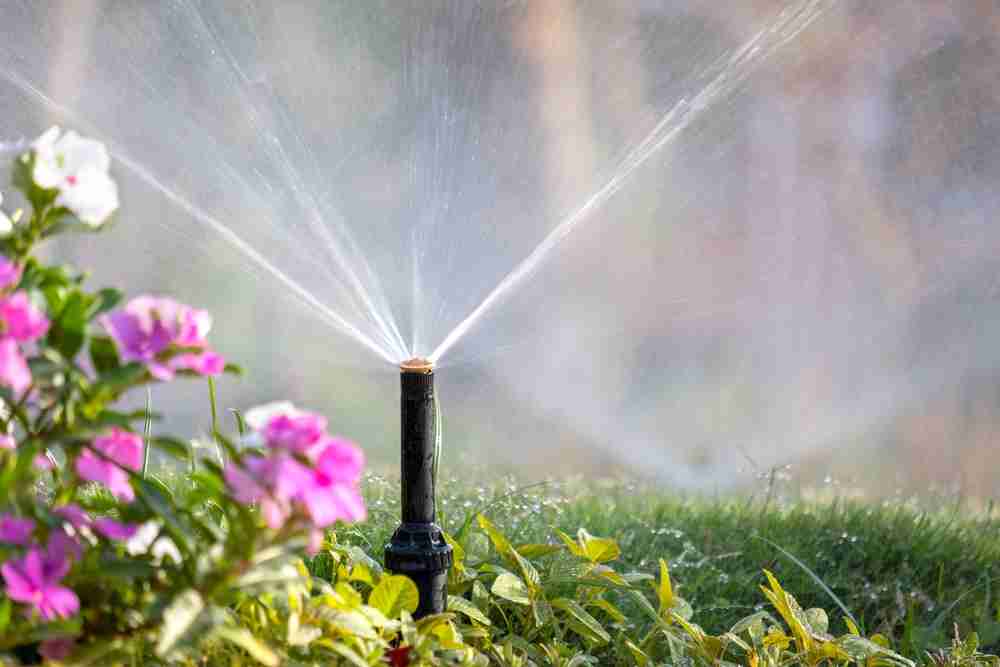
Strategies to Boost Water Pressure for Sprinklers
You can increase irrigation system pressure with a few key steps. These strategies include checking the water source, adjusting pressure settings, cleaning or replacing sprinkler heads, and inspecting for leaks or blockages.
Checking the Water Source
The water source is the starting point for addressing low pressure. Verify the main water supply is fully open. Ensure the municipal supply or well pump is functioning correctly. If you’re using a pump, check for proper operation and maintenance. Installing a water pressure gauge at the source can help monitor pressure levels. Be sure to repair or replace any malfunctioning components promptly to avoid further issues.
Adjusting Pressure Regulator Settings
A pressure regulator controls the water flow to your sprinkler system. Locate the regulator and adjust it to the correct setting, usually between 40 to 60 psi. Incorrect settings can lead to either low or excessively high pressure. Use a pressure gauge to verify the changes. If adjustments don’t help, the regulator itself may need replacement. Consult the user manual for specific instructions on adjusting or replacing the regulator.
Cleaning or Replacing Sprinkler Heads
Dirty or damaged sprinkler heads can significantly impact water pressure. Inspect all sprinkler heads for debris, dirt, or mineral build-up. Clean them using a solution of vinegar and water or a dedicated cleaning kit. If cleaning doesn’t improve performance, replace the sprinkler head. Make sure you choose compatible replacements that match the system’s specifications to maintain optimal pressure.
Inspecting for Leaks and Blockages
Leaks and blockages are common culprits of low water pressure. Check the entire sprinkler system for visible leaks, including pipes, joints, and connections. Use a leak detector if necessary. Clear any blockages in the pipes using proper tools like a pipe cleaner or plumber’s snake. Repair any leaks immediately to prevent further pressure drops. Regular inspections can help identify and solve these issues before they become major problems.
Expert Intervention and Maintenance
To ensure optimal water pressure in your sprinkler system, it’s vital to consult with professionals and perform regular maintenance. These steps can help identify underlying issues and prevent potential problems before they escalate.
Consulting with Professionals
Hiring the professionals at J Bell Services provides a thorough evaluation of your sprinkler system. We can identify underlying problems, such as a need to replace the sprinkler valve, which might be affecting water pressure.
Benefits of professional consultation:
- Accurate diagnosis of pressure issues
- Expert recommendations on necessary repairs
- Assurance of high-quality work
Our professionals bring specialized tools and knowledge to the table, ensuring that all aspects of the system, from pipes to sprinkler heads, are inspected and maintained correctly.
Preventative Measures to Maintain Water Pressure
Routine sprinkler service is essential in maintaining adequate water pressure. Regular checks can spot early signs of clogs, leaks, or valve issues.
Key preventative measures:
- Regular inspection of sprinkler heads and valves
- Timely replacement of worn-out parts
- Seasonal system adjustments
Incorporating these practices offers significant advantages, such as prolonged system lifespan and consistent performance. Investing in regular maintenance ensures that minor issues are swiftly addressed, thereby preventing more extensive and costly repairs in the future.
Contact Our Team to Correct Water Pressure Issues
If you’re experiencing low water pressure with your sprinkler system, it’s time to contact J Bell Service for professional repair. Our experienced technicians specialize in diagnosing and resolving water pressure issues efficiently, ensuring your lawn stays lush and green. We use the latest tools and techniques to identify the root cause and implement effective solutions. Don’t let low water pressure compromise your irrigation system’s performance. Reach out to J Bell Service today for reliable and prompt sprinkler repair. Your satisfaction is our priority, and we’re here to help keep your landscape in top shape.


