

How to Program Sprinkler System
How to Program Sprinkler System
Programming your sprinkler system is a practical way to maintain a healthy lawn while conserving water. By automating the watering schedule, you can ensure your garden gets the right amount of water at the right time, reducing waste and effort. Modern sprinkler systems offer a variety of features, such as weather-based adjustments and zone-specific watering, making them versatile and efficient.
There are different types of sprinkler systems to consider. For small lawns, simple drip irrigation systems may be sufficient, whereas larger gardens might benefit from in-ground or smart sprinkler systems. Each type offers unique advantages and can be tailored to meet specific needs.
The benefits of automated sprinkler systems extend beyond convenience. These systems can help maintain optimal soil moisture levels, promoting healthier plant growth. They also allow for precise water usage, which can lead to cost savings and environmental benefits. Investing time in learning how to program your sprinkler system effectively can yield a beautiful and sustainable garden.
The Essentials of Programming Your Sprinkler System
Properly programming an irrigation system is crucial for efficient watering and maintaining a healthy lawn. This guide outlines the necessary steps to set your system correctly.
Understanding Your Controller
The controller is the brain of your sprinkler system. Modern controllers often have digital displays and multiple buttons for setting various parameters.
Steps to Program a Sprinkler System:
- Identify the type of controller: Basic, smart, or weather-based.
- Review the manual: Essential for understanding specific features.
- Check the power source: Ensure the controller is properly powered.
Setting the Sprinkler Timer
Setting the sprinkler timer with the current date and time correctly ensures accurate scheduling.
Lawn Sprinkler Timer Instructions:
- Locate the timer settings: Usually found under “Date/Time.”
- Adjust the date: Use the directional buttons to set the year, month, and day.
- Set the time: Adjust for AM/PM.
Determining Start Times
Start times dictate when your sprinkler system begins watering the grass. Proper selection avoids over-watering and increases efficiency.
How to Set Sprinkler System Timer:
- Determine optimal watering times: Early morning or late evening.
- Input start times: Enter desired times using the controller.
- Check for overlapping zones: Avoid activating multiple zones at once.
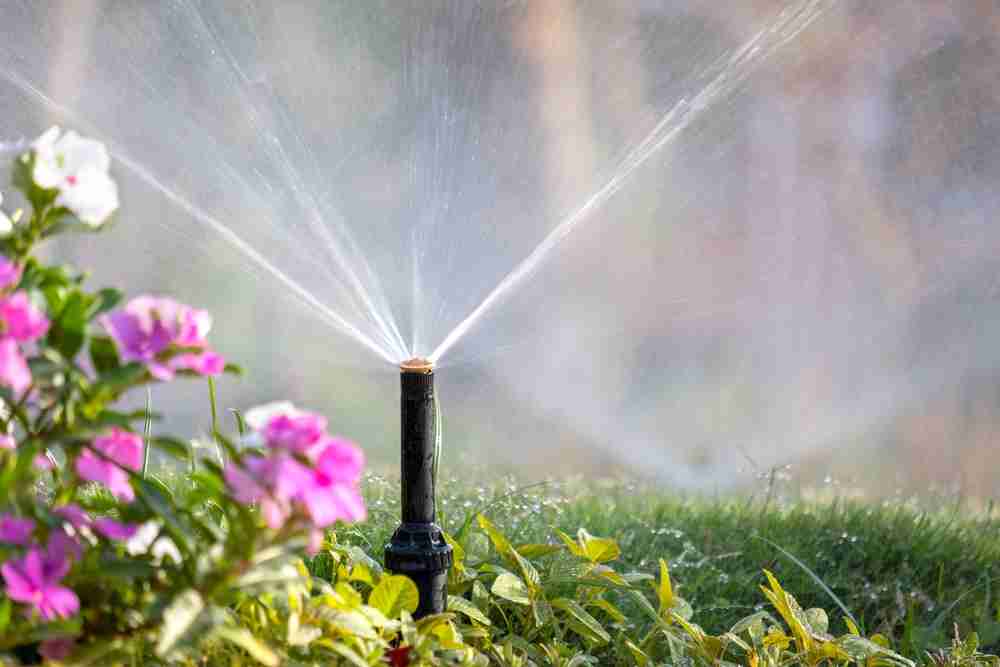
Configuring Run Times for Each Zone
You will need to configure the sprinkler system. Run times determine how long each zone will be watered.
Setting Run Times for Each Zone:
- Assess each zone’s needs: Shady areas require less water.
- Program run times: Use the controller to set minutes per zone.
- Adjust seasonally: Modify run times based on weather conditions.
Choosing Watering Days
Setting watering days helps conform to local regulations and promotes lawn health.
Setting Watering Days:
- Select days: Choose which days to water based on local guidelines.
- Avoid consecutive days: Promotes deep root growth.
- Use intervals: Opt for every other day or specific days of the week.
By following these steps, you’ll ensure your sprinkler system is optimally programmed for effective lawn care.
Optimization Strategies for Different Seasons
Adjusting your sprinkler system throughout the year can ensure optimal lawn health and conserve water. Different seasons require distinct scheduling and adjustments to align with weather patterns and plant needs.
Spring and Summer Scheduling
In spring and summer, the primary goal is to provide sufficient water during warmer months. Early morning watering reduces evaporation. Set sprinklers to run between 4 AM and 9 AM for optimal efficiency.
During these seasons, lawns generally need about 1-1.5 inches of water per week. Water deeply and infrequently to promote root growth. A good rule of thumb: twice a week in spring and three times in summer.
Using rain sensors can help avoid over-watering. Check sprinkler heads regularly to ensure even coverage. Adjust settings based on rainfall to prevent water waste.
Fall and Winter Adjustments
As temperatures cool, lawn water needs decrease. In fall, water once a week if there’s no rain. Reduce sprinkler time gradually to prepare your lawn for dormancy.
Winter often requires shutting off the sprinkler system completely, especially in freezing climates, to avoid pipe damage.
Insulate exposed pipes and use a blower to clear water from the lines. Some systems have a “winterize” setting. Be sure to check local guidelines for any additional winter maintenance tasks.
Maintenance and Troubleshooting
Regular upkeep ensures your sprinkler system operates efficiently, while knowing how to handle common issues can save time and expense.
Regular Maintenance Tips
Regular maintenance is crucial to keep your sprinkler system functioning optimally. Start by testing the system frequently, ensuring each zone receives adequate water without leaks or clogs. Examine the spray heads and nozzles for any debris or damage, and clean or replace them as needed.
Review the controller settings to confirm the timer schedules are appropriate for the season. Adjust watering frequency based on weather conditions and plant needs. Check the valves and pipes for any signs of wear or leaks. Regular inspections help identify minor issues before they become major problems.
A professional contractor here at J Bell Services can conduct annual inspections and perform any necessary sprinkler repairs. Specialized tools and expertise ensure thorough maintenance that enhances system longevity and efficiency.
Identifying and Fixing Common Issues
Several common issues can arise with sprinkler systems, but many are easy to troubleshoot. If a zone isn’t functioning correctly, check the valve for electrical or mechanical failures. Verify the wiring connections and consider using a multimeter to test for voltage.
Uneven watering often indicates clogged nozzles. Clean or replace them to restore proper water flow. Broken or misaligned spray heads can also disrupt coverage, so inspect and adjust their positions.
Low water pressure might stem from leaks or blockages in the piping. Examining the system for visible leaks or breaks can identify the source. If water pressure is still low after inspection, consult a professional contractor to diagnose and address any hidden issues.
Reach out to our team at J Bell Services for help with anything related to your sprinkler system, including programming it. We’re always here for you to ensure your sprinkler system is working properly and your lawn or garden is being watered the way you want it to be.


